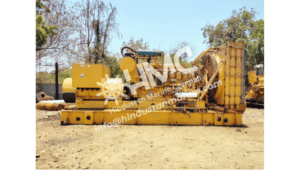
Buying a used marine engine could be a useful strategy for cutting down costs on buying a boat or fishing ship or any other commercial venture involving the marine industry. But having a lower initial cost does not always equate to value for money. There may be many hidden costs involved once the engine is installed.
When searching for used marine engines India, it is necessary to consider more than just the price tag on the engine. Engine hours, maintenance history, cooling systems, compression tests and availability of replacement parts can all influence reliability and maintenance costs.
This guide shows you what to check, what to ask and what to avoid when you buy used marine engines in India.
Are Used Marine Engines in India Worth Buying?
Yes, if you pick the right one. Marine diesel engines are built heavy and can run 20,000 hours or more when looked after well. An engine with 5,000 hours still has plenty of life left.
Used engines suit:
- Fishing boats and trawlers
- Tugs and workboats
- Standby or backup power
- Short-term projects and charters
They are less suitable when you need the latest emission norms or a long manufacturer warranty. In that case, buying new is safer.
Used vs Refurbished Marine Engines
People often mix up these two terms, but they are not the same thing.
A used engine is sold in its existing condition. A refurbished engine has been opened up, inspected and repaired, usually with new pistons, liners, bearings or seals.
- Used: lower price, higher risk, needs your own testing
- Refurbished: higher price, lower risk, should come with a test report
If you are buying for the first time, a refurbished engine is usually the calmer choice. Always ask what was actually replaced.
Engine Hours and Service History
Engine hours work like the odometer in a car. Check the hour meter, but do not trust it blindly. Meters can fail or be reset.
Ask for service records, oil change logs and overhaul dates, then match them with the hours shown. An engine with 6,000 hours and no overhaul record is a warning sign.
Also ask how the engine was used. A tug engine working under heavy load wears very differently from a generator engine running light. The type of duty matters as much as the number.
Compression and Performance Testing
This is where a healthy engine separates from a tired one.
Compression test
Every cylinder should give a similar reading. A big gap between cylinders usually means worn rings, liners or valves.
Cold start and load test
Start the engine cold and note how easily it fires up. Then ask for a load test, ideally on a test bed or with a dynamometer.
Watch for:
- Blue smoke (burning oil)
- Black smoke (poor combustion)
- White smoke (coolant or fuel trouble)
- Uneven running or heavy vibration
- Not reaching rated RPM
If a seller refuses a running test, walk away.
Inspecting Cooling and Lubrication Systems
Many engine failures begin here, especially along India’s warm, salty coastline.
Cooling system checks:
- Heat exchanger and coolers for corrosion or blocked tubes
- Raw water pump and impeller condition
- Coolant mixing with oil
- Rust or pitting on the exhaust manifold
Lubrication system checks:
- Oil colour and smell (milky oil suggests water inside)
- Metal particles on the filter or dipstick
- Steady oil pressure at idle and under load
- Leaks around seals and gaskets
A small tip: get the oil tested at a lab. It costs very little and can reveal wear that you cannot see.
Documentation Checklist
Paperwork protects you as much as the inspection does. Ask for:
- Original invoice or proof of ownership
- Engine serial number that matches the nameplate
- Service and overhaul records
- Survey or class certificate, where applicable (for example, Indian Register of Shipping)
- Customs clearance papers and duty receipts, if the engine was imported
- A written test or inspection report
- Emission compliance details
For commercial vessels, check DG Shipping requirements before installation. Fishing boat owners should also confirm local state fisheries rules. A missing document can delay registration or survey later.
Cost Factors for Used Marine Engines
Prices vary widely. These are rough, indicative ranges only:
- 50 to 150 HP: about ₹1.5 lakh to ₹6 lakh
- 200 to 500 HP: about ₹8 lakh to ₹25 lakh
- 1,000 HP and above: often ₹40 lakh and more
What pushes the price up or down:
- Brand (Cummins, Caterpillar, Volvo Penta, Yanmar, MAN)
- Running hours and overall condition
- Whether it is refurbished or sold as is
- Spare parts availability in India
- Transport, installation and GST
Keep an extra 10 to 15 percent aside for fitting, alignment and sea trials. Many buyers forget this.
How to Choose Used Marine Engine Suppliers in India
Most suppliers are based around port cities like Mumbai, Kochi, Chennai, Visakhapatnam and the Gujarat coast. Location matters less than reliability.
Before you pay, check that the supplier has:
- A real workshop you can visit
- A test facility for running the engine
- A written warranty, even a short one
- Spare parts and service support
- References from other boat owners
A supplier who welcomes your surveyor is usually a good sign.
Common Mistakes to Avoid
- Buying on price alone. The cheapest engine often becomes the most expensive.
- Skipping the test run. An engine that looks clean may not run clean.
- Trusting the hour meter only. Always cross-check with records.
- Ignoring spare parts. An old or rare model can leave your boat idle for weeks.
- Taking a verbal promise. If it is not written, it does not exist.
- Forgetting installation costs. The engine price is only part of the bill.
Frequently Asked Questions
Are used marine engines in India worth buying?
Yes, when the engine is inspected, tested and backed by proper records. They can cut your cost significantly compared to a new engine, especially for fishing boats and workboats.
How many hours is too many for a used marine engine?
There is no single limit. Many diesel engines run well beyond 10,000 hours with good maintenance. Service history and test results matter more than the hour count alone.
What is the difference between used and refurbished marine engines?
A used engine is sold in its existing condition. A refurbished engine has been repaired, with worn parts replaced and usually tested before sale.
How much do used marine engines cost in India?
The starting cost of small engines will be around ₹1.5 lakh whereas large engines might be priced above ₹40 lakh depending upon various factors like brand name, usage hours, etc.
Which documents should I ask for when buying a used marine engine?
Invoice, serial number verification, maintenance records, survey certificate, customs documents for imported engines, and test report in written form.
Final Thoughts
Used marine engines in India can be a smart purchase, but only when you check the right things. Look at the hours, test the compression, inspect cooling and lubrication, and never skip the paperwork. A careful hour spent now can save you months of trouble at sea.
If you are looking for a reliable used marine engines India or need help with an inspection, speak to the team at Hindustan Marine. Share your vessel type and power needs, and we’ll guide you toward the right option.